

Introduction
In the realm of technological innovation, few inventions have transformed our lives as dramatically as mobile phones. From their humble beginnings in the 1990s to the incredible devices we have today, mobile phones have evolved at an astonishing pace. Let’s embark on a journey through time and explore the jaw-dropping advancements that have revolutionized the world of mobile communication.
1. The Mobile Revolution Begins: The 1990s
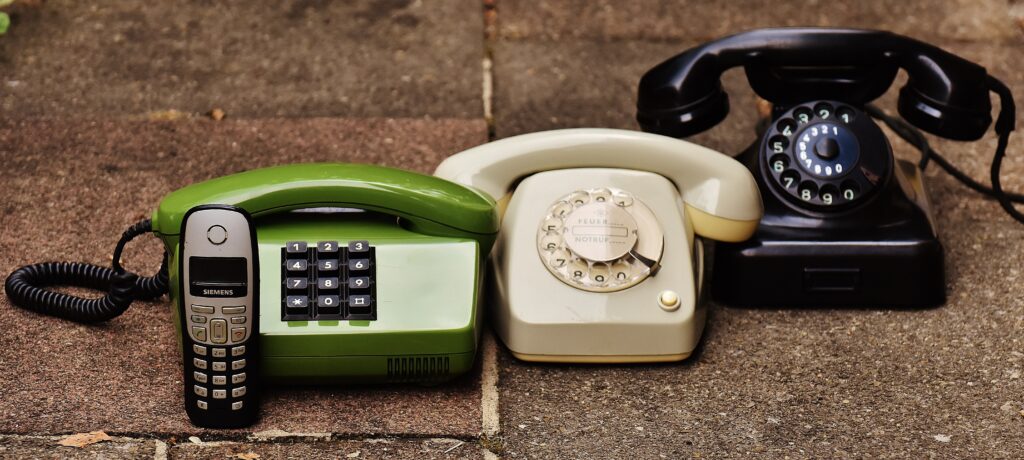
Back in the 1990s, mobile phones were a luxury item, bulky and limited to basic calling and texting features. However, their emergence marked the first step towards the mobile revolution we witness today. Early mobile phones like the Motorola DynaTAC and Nokia 1011 paved the way for widespread adoption and laid the foundation for future advancements. (Source: PCMag, “The Evolution of Cell Phone Design Between 1983-2009”)

2. The Rise of Smartphones: The 2000s
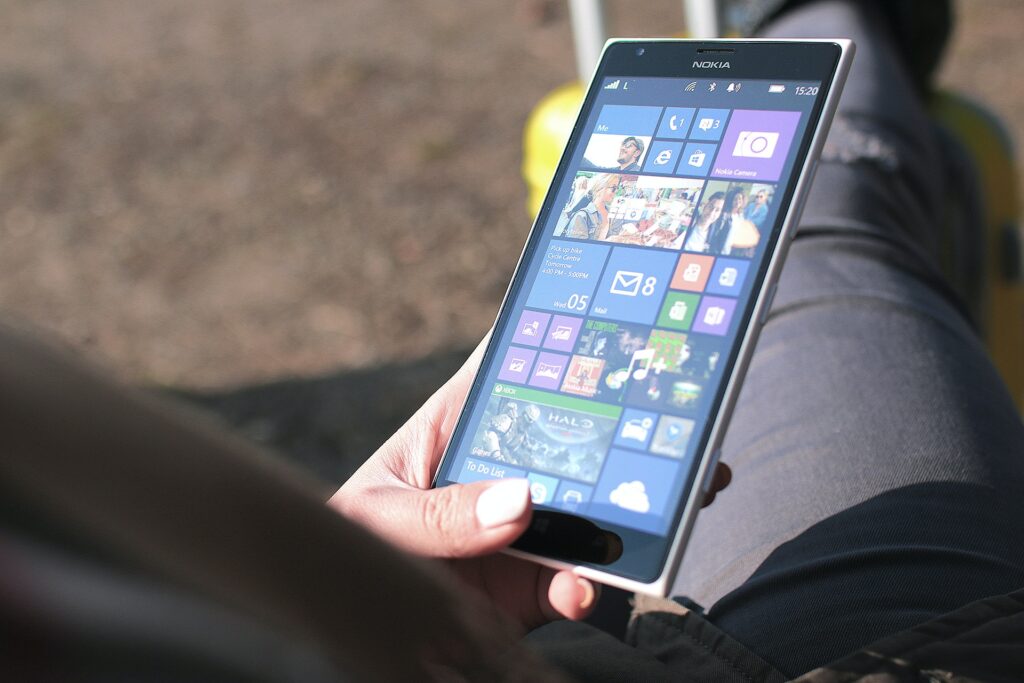
The 2000s saw a seismic shift in mobile technology with the introduction of smartphones. Devices like the BlackBerry, Palm Treo, and later the iconic iPhone brought the power of computers to our fingertips. These smartphones offered internet access, email capabilities, and the introduction of app stores, expanding the possibilities of mobile communication and productivity. (Source: Pew Research Center, “Mobile Fact Sheet”)
3. Mobile Apps and Connectivity: The 2010s
The 2010s witnessed an explosion in mobile apps, transforming smartphones into versatile tools for work and entertainment. App stores, such as Apple’s App Store and Google Play, provided access to millions of applications, ranging from social media platforms to productivity tools. Mobile connectivity also took a leap forward with the advent of 4G networks, enabling faster data speeds and seamless multimedia experiences. (Source: Statista, “Number of Available Applications in the Google Play Store”)
4. The Present: Cutting-Edge Features and Advancements
Today, mobile phones have become indispensable companions in our daily lives. They boast an array of jaw-dropping features, including advanced cameras, biometric authentication, augmented reality capabilities, and powerful processors. Additionally, the integration of artificial intelligence (AI) and machine learning algorithms has enabled voice assistants like Siri and Google Assistant to provide personalized experiences and perform complex tasks. (Source: CNET, “Smartphone Evolution: How the Modern Device Has Changed Over Time”)
Q1. How many mobile phone users are there globally?
A1. As of 2021, there are approximately 5.28 billion unique mobile phone users worldwide. (Source: Statista, “Number of Mobile Phone Users Worldwide”)
Q2. What was the first mobile phone ever invented?
A2. The first mobile phone, commercially available, was the Motorola DynaTAC 8000X, introduced in 1983. (Source: Motorola Solutions, “Motorola DynaTAC 8000X”)
Q3. What was the first smartphone ever released?
A3. The IBM Simon, released in 1992, is widely considered the first smartphone. It featured a touchscreen, email capabilities, and even a built-in fax machine. (Source: IBM Archives, [IBM Simon Personal Communicator](https://www.ibm.com/ibm/history/ibm100/us/en/icons/simon/))
Q4. How has mobile phone screen technology evolved over the years?
A4. Mobile phone screens have evolved from basic monochrome displays to vibrant and high-resolution screens. LCD (Liquid Crystal Display) and OLED (Organic Light-Emitting Diode) screens have become common, offering improved color reproduction and energy efficiency. The latest advancements include edge-to-edge displays, curved screens, and even foldable displays. (Source: Android Authority, [How Smartphone Screens Have Evolved: From Monochrome to Multicolor](https://www.androidauthority.com/how-smartphone-screens-evolved-1204587/))
Q5. What impact have mobile phones had on photography?
A5. Mobile phones have revolutionized photography by making high-quality cameras accessible to everyone. The integration of advanced camera sensors, image stabilization, and computational photography techniques has resulted in stunning photos and videos. Many professional photographers and filmmakers now use mobile phones as their primary creative tools. (Source: PetaPixel, [The Impact of Smartphones on the Photography Industry](https://petapixel.com/2017/11/15/impact-smartphones-photography-industry/))
Q6. How has mobile gaming evolved with the advancements in mobile phones?
A6. Mobile gaming has experienced a tremendous leap forward with the advancements in mobile phone technology. From simple games like Snake in the early days to complex and immersive gaming experiences, mobile phones now support high-quality graphics, responsive touch controls, and even console-like gaming with external controllers. The popularity of mobile gaming has soared, leading to the development of a booming mobile gaming industry. (Source: Sensor Tower, [Mobile Gaming Industry Report](https://sensortower.com/blog/mobile-gaming-industry-report))
Q7. What is the role of 5G technology in the future of mobile phones?
A7. 5G technology represents the next generation of mobile networks, offering significantly faster speeds, lower latency, and increased capacity. With 5G, mobile phones will be capable of supporting advanced applications like augmented reality (AR), virtual reality (VR), and Internet of Things (IoT) devices. This technology will enable seamless streaming, real-time gaming, and transformative experiences on mobile devices. (Source: Forbes, [5G Is Here: What Does It Mean for Mobile Phones?](https://www.forbes.com/sites/forbestechcouncil/2019/01/30/5g-is-here-what-does-it-mean-for-mobile-phones/?sh=7dd1ae5757d6))
Conclusion
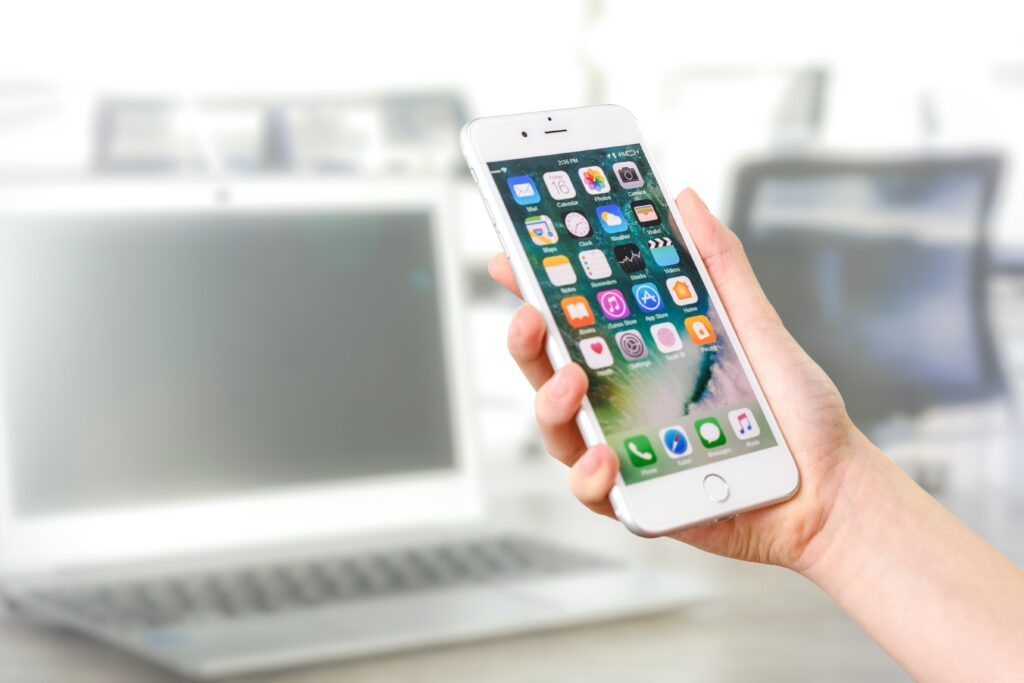

From being a luxury item to an essential tool, mobile phones have come a long way. The evolution of mobile technology has pushed boundaries, turning science fiction concepts into reality. Today’s mobile phones have transformed the way we communicate, work, and entertain ourselves, making our lives more convenient and connected than ever before.
Regards
Team “sarkariKhabrein“