

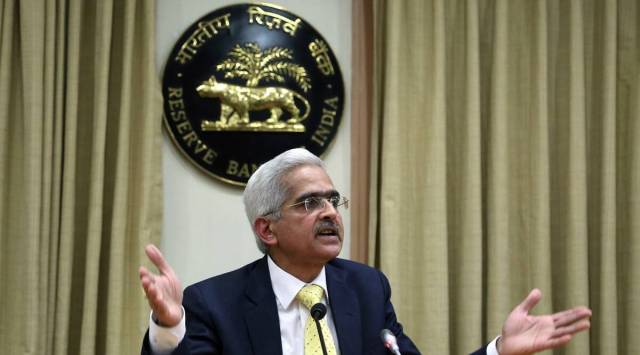
New Delhi, India – In the latest monetary policy announcement, RBI Governor Shaktikanta Das revealed a series of significant decisions concerning RuPay forex cards, e-RUPI, FEMA rules, priority sector lending, digital lending, stressed assets, and money markets. Along with maintaining the repo rate at 6.50 percent, the RBI introduced measures to enhance payment options for Indians traveling abroad, expand the reach of e-RUPI vouchers, simplify licensing under FEMA rules, promote responsible digital lending, streamline the Bharat Bill Payment System (BBPS), extend priority sector lending targets for cooperative banks, and provide greater flexibility for banks in borrowing from call and notice money markets.
RuPay Prepaid Forex Cards Allowed
In a major move, the RBI has permitted banks to issue RuPay prepaid forex cards. The acceptance of RuPay debit and credit cards issued by Indian banks has been growing abroad. This decision will expand payment options for Indian travelers and enable the issuance of RuPay cards in foreign jurisdictions, thereby enhancing their global acceptance.
Expansion of e-RUPI Vouchers’ Scope
To widen the accessibility of purpose-specific e-RUPI vouchers, the RBI proposed various measures. Firstly, non-bank prepaid payment instruments (PPI) issuers will be allowed to issue e-RUPI vouchers. Secondly, issuance of e-RUPI vouchers on behalf of individuals will be enabled. Lastly, the process of issuance and redemption will be simplified. Currently, e-RUPI digital vouchers are issued by banks, and these measures aim to make their benefits available to a wider range of users and foster the penetration of digital payments in the country.
Rationalization of Licensing Framework under FEMA Rules
To keep up with the evolving needs of India’s rapidly growing economy and the progressive liberalization under FEMA, the RBI has decided to rationalize and simplify the licensing framework for authorized persons (APs) under the Foreign Exchange Management Act. This move is expected to enhance the efficiency in delivering foreign exchange facilities to various users, including individuals, tourists, and businesses.
Guidelines on Default Loss Guarantee Arrangement in Digital Lending
In an effort to promote responsible innovation and prudent risk management, the RBI will issue guidelines on default loss guarantee arrangements in digital lending. This step aims to facilitate the orderly development of the digital lending ecosystem and enhance credit penetration in the economy. The regulatory framework for digital lending was introduced by the RBI in 2022, and these guidelines will further support its development.
Streamlining Bharat Bill Payment System Processes and Membership Criteria
The RBI has proposed to streamline the process flow of transactions and membership criteria for operating units in the Bharat Bill Payment System (BBPS). By enhancing the efficiency of the BBPS system and encouraging greater participation, this step will contribute to the smooth functioning of bill payments across the country. The BBPS, operational since August 2017, had its scope expanded in December 2022.
Extension of Priority Sector Lending Targets for Cooperative Banks
To strengthen the Urban Cooperative Banks (UCBs) and promote financial inclusion, the RBI has decided to extend the timeline for achieving priority sector lending targets by two years, until March 2026. Additionally, UCBs that have met the targets as of March 31, 2023, will receive suitable incentives. The RBI’s initiatives in recent years, including the revision of priority sector lending targets for UCBs in 2020, aim to ensure a smooth transition and bolster the sector.
Flexibility in Borrowing from Call and Notice Money Markets
Scheduled commercial banks, excluding small finance banks, are now allowed to set their own limits for borrowing in call and notice money markets within the prescribed prudential limits for inter-bank liabilities. This measure grants banks greater flexibility in managing their liquidity. The RBI’s regulatory guidelines already outline prudential limits for outstanding borrowing in Call and Notice Money Markets for scheduled commercial banks.
Monetary Policy Decisions
The RBI’s Monetary Policy Committee (MPC) unanimously decided to maintain the repo rate at 6.50 percent, aligning with market expectations. The monetary policy stance remains at ‘Withdrawal of Accommodation,’ with a 5:1 ratio of the MPC members voting in favor of this decision. The GDP growth forecast for FY24 remains unchanged, while the projected inflation for FY24 has been reduced.
In conclusion, the Reserve Bank of India’s latest decisions reflect its commitment to enhancing payment options, promoting digital payments, streamlining regulatory frameworks, supporting responsible lending practices, and providing greater flexibility to banks. These measures are expected to contribute to the growth and development of the Indian economy.
Thanks & Regards
Sarkarikhabrein.in